 In the last two decades, many employers have shown enthusiastic commitment to gender diversity. Women have made enormous strides in being able to compete on the same playing field as men at work. This is where initiatives such as mentoring and sponsor programmes have been really successful in helping erode this gender imbalance and create more gender equity. Gender equity means fairness of treatment for women and men, according to their respective needs. All the research strongly confirms this as being an important factor in developing more women leaders. So let us consider:
- What are the outcomes from introducing mentoring for women into your organisation?
- The outcomes of mentoring which support gender equity for women.
- And what is different about female talent mentoring today?
Continue reading →

 A good question and one that Paul Stokes and I were chewing the cud over earlier this week. We have been asked to update our chapter for the second edition of Coaching and Mentoring Supervision and Practice on this very topic. We found the absolute paucity of new research and interest in mentor supervision very disappointing.
 As
As  What do languishing lettuce, ‘side hustles’, career transition and the catalyst of Covid-19 have in common? Read on and find out how the current pandemic may be the trigger to reassess your working life and future post lockdown.
 We are now into the fourth week of Covid-19 lockdown in the UK, but already it is obvious our old ‘normal’ has gone and will not return. I have previously explored how
 A quarter of the world’s population is now in lockdown. Lis Merrick explores the situation and offers a perspective on what employers can do in this extraordinary chaos. Exploring mentoring through the lens of William Bridges’ Model of Managing Transitions1, she proposes the greatest gift an employer can give at this time is a mentor to support through these incredulous changes in our lives caused by the Covid-19 virus.
 In the first of our series of blogs for
 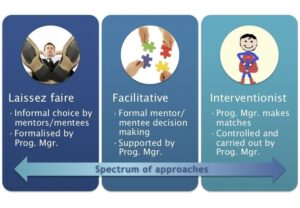 There are a number of factors to consider when matching mentors and mentees in a programme. Matching can get complicated at times when stakeholders in the scheme have very clear views of who the mentoring pairs should be. Matching criteria need to be in alignment with the purpose/business objective for the programme. If a senior leader wants to choose their own protégée to mentor, you may need to be tough and reinforce your matching criteria. So make sure you are clear what they are!
  The most comprehensive literature review of the benefits of mentoring that I have ever read was by
  As long ago as 2005, Brewster et al defined talent management as occurring on a global basis. It is a far broader concept than a series of international assignments for young potential. They describe a picture of being able to retain and attract the best talent anywhere in the world. Global brands like Diageo, Shell and Rolls Royce attach great importance to developing a positive brand for potential recruits.