
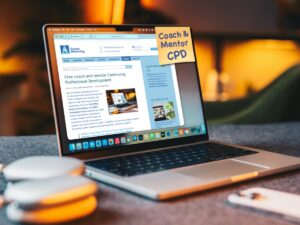
 We are overtly expanding our free Continuing Professional Development (CPD) to target both coaches and mentors. We have many coaches graduating from our PGC EMCC Senior Practitioner and EMCC Foundation level programmes. Both these programmes necessitate a certain number of CPD hours for coaches to attend, so we want to support our alumni with this need. In addition, we also have large numbers of mentors within organisational programmes, which we support.
Free coach and mentor Continuing Professional Development
Reply
 With your previous studies and practical experience, are you rethinking your coaching identity and realising you need more substance to your coaching repertoire? This Postgraduate Diploma (PGD) will provide a deeper dive into your coaching and mentoring practice, ethics and systemic considerations, and equip you with knowledge in new areas such as team coaching, self-care and self-deception.
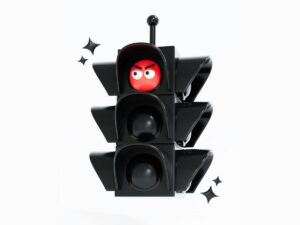 In our overstimulated world, characterised, amongst other things, by hate speech on social media and by uncontrolled egomaniacs, the widespread inability to regulate one’s own emotions is becoming increasingly apparent. A stimulus is immediately followed by a reaction, without the ability (or willingness) to restrain oneself. Much suffering and harm occur because no precautions are taken against triggers and emotions are not managed consciously. Yet emotional regulation can be learnt both individually and organisationally.
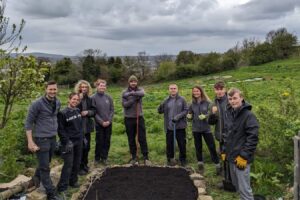 We were delighted to partner with
  Build your coaching skills on top of your existing specialisms, to develop your own coaching identity. This Level 7 PGCert, accredited by
 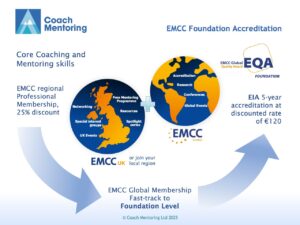 Across nine live, virtual webinars in September 2026, this foundation level course will give you the fundamental knowledge and skills to be an effective coach and mentor. Plus, fast-track access to the European Mentoring and Coaching Council’s Global Individual Accreditation (EMCC EIA) will recognise your successful ongoing application of competence.
 Pandemics, more wars than ever before, heat waves, melting glaciers and political upheaval: we are living in an era of increasing complexity, chaos and uncertainty: From VUCA to BANI, the ‘unpredictability of the world’ is greater today than ever before. Many people find it difficult to get used to the fact that ‘the old rules of “it won’t happen” and “basically everything will stay the same” are increasingly no longer valid,’ as psychologists Eva Lermer and Matthias Hudecek write in their book ‘Uncertainty’ [
 This dynamic interactive virtual programme gives you an EMCC EQA Foundation qualification with just 30 hours of study. Previous graduates appreciated that nine 90-minute webinars, plus practice and assessed reflection, provided a fast-track route to becoming an EMCC EIA accredited coach! Perfect for those starting out in coaching and mentoring, or working in-house as a coach.
 Good questions lead to good listening (and vice versa:
  Being a manager is tough, I’d argue it to be the toughest job in any organisation. You’re expected to deliver the strategy from above while also supporting, motivating, and developing the people in your team. In today’s working world, without core coaching skills, that squeeze can feel relentless.