
 Mentoring is one of the most powerful learning and change interventions our clients use within an organisational setting. Some organisations see it as an activity, which can take place within the line of command; other organisations see it as incompatible with the fundamental openness of the relationship. Similarly, some cultures see the exercise of authority and influence on the part of a protégé as appropriate; others see mentoring as primarily a developmental activity, with the emphasis on empowering and enabling people to do things for themselves. Some people view mentoring as synonymous with coaching, or teaching; others see it as a form of counselling. Certainly others view it as a kind of godfather relationship.
 Once again in 2019, we’ve been supporting International Women’s Day with a variety of new blogs on women’s development and mentoring. However, there are some previous very relevant women’s mentoring articles that you might have missed. So here’s a summary of some of our favourites. Enjoy! Continue reading
A celebration of women’s mentoring for IWD2019
Reply
 In the first of our series of blogs for
  Once you have
 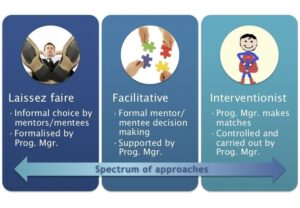 There are a number of factors to consider when matching mentors and mentees in a programme. Matching can get complicated at times when stakeholders in the scheme have very clear views of who the mentoring pairs should be. Matching criteria need to be in alignment with the purpose/business objective for the programme. If a senior leader wants to choose their own protégée to mentor, you may need to be tough and reinforce your matching criteria. So make sure you are clear what they are!
  The most comprehensive literature review of the benefits of mentoring that I have ever read was by
  Don’t choose the Ego Strokers!
 I’ve always been a goal-setter in life, generally successfully or I tend to give up quickly and relegate the goals to the bin of ‘bad ideas’. However, in 2019 I decided to take a different approach to my life in favour of emerging principles and a more mindful route through the year, noticing what is important to me and creating some principles I want to live by instead of setting goals. We are now 10% through 2019 and already I am feeling good about my new approach.
  It is extremely important to spend time at the beginning of your relationship to build the rapport and trust required to have meaningful and open and honest mentoring discussions. This fast-paced 60 second briefing video gives you the basics you need to consider when building rapport in mentoring.
  Most organisations understand the great benefits of an in-house mentoring programme, but setting up and running an effective and beneficial programme takes time. Programme management is often added into someone’s already packed job description. This can lead to loss of momentum and ultimately a programme that hasn’t been as effective as it could have been. Even worse, it may be seen a failure and this will hamper getting future programmes off the ground!
 Our last blog discussed how you can decide whether you’re ready to