
AI-generated image: Anne Kristine Arbon using ChatGPT (OpenAI), 2026. Oil-painting-style illustration of a woman facing a locked cupboard overflowing with papers in a damaged organisational setting, symbolising pain that an organisation has tried to contain rather than address.
We already talk about stress, burnout, wellbeing and resilience. Do we really need another term? Someone may not simply be exhausted by the amount of work. They may have been asked to act against their values, prevented from doing what they believe is right, or left to witness harm they could not stop? Sometimes the organisation they trusted has betrayed the very values it asked them to uphold? That is different. It may look like stress or burnout from the outside, but the damage can reach further: into conscience, identity and trust. This is where the idea of moral injury helps. Continue reading →

 Creative techniques are transformative in coaching and mentoring. They release blockages, or reveal a deeper awareness. This ready-to-use collection of short poems targets coaching and self-reflection. Each sequence, such as “Even a Day” for burnout prevention or “Gorges de la Nesque” for perspective shifts, includes a poem, its intended use, and coaching questions.
 In our overstimulated world, characterised, amongst other things, by hate speech on social media and by uncontrolled egomaniacs, the widespread inability to regulate one’s own emotions is becoming increasingly apparent. A stimulus is immediately followed by a reaction, without the ability (or willingness) to restrain oneself. Much suffering and harm occur because no precautions are taken against triggers and emotions are not managed consciously. Yet emotional regulation can be learnt both individually and organisationally.
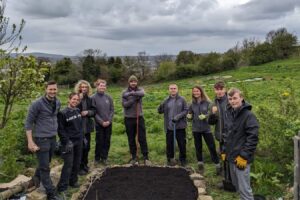 We were delighted to partner with

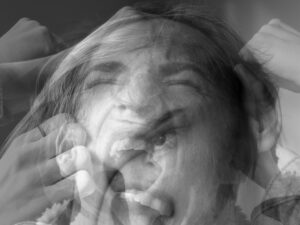 Pandemics, more wars than ever before, heat waves, melting glaciers and political upheaval: we are living in an era of increasing complexity, chaos and uncertainty: From VUCA to BANI, the ‘unpredictability of the world’ is greater today than ever before. Many people find it difficult to get used to the fact that ‘the old rules of “it won’t happen” and “basically everything will stay the same” are increasingly no longer valid,’ as psychologists Eva Lermer and Matthias Hudecek write in their book ‘Uncertainty’ [
 Our winter season of short free mentor CPD is here. Our guest speakers will take you deeper into the use of an ikigai mindset, considering how mentoring can impact an organisation, exploring strength-based mentoring, using stories as a mentor and providing ongoing support for mentors. Please come and share some interesting ideas. It’s going to be an inspiring series of lunchtimes!
 This autumn, a short series of free mentor CPD. Our guest speakers will take you from a framework for deepening mentoring conversation, via mentoring with Ikigai, to a discussion of mentoring and burn out. So come, meet some interesting people, eat your lunch maybe and definitely share some interesting ideas. It’s going to be an inspiring series of Monday lunchtimes!
 Drawing attention to issues and hoping that they will be fixed or solved is normal. It’s what we do every day: There’s a problem, like a dripping tap or a flat tyre or the mobile phone has no power, and we ‘analyse the problem’ and fix it easily. But when it comes to people, like interpersonal and social problems, things get complicated. That’s why I think we need to change our approach and focus on finding solutions. And that starts with the being.
 The multiple crises and chronic work overload have made “well-being” a top issue generally and especially in non-profit organisations. It is natural for NGOs to want to provide workplaces that promote rather than hinder well-being, but it is not always easy to do so.