How would you describe the culture in your organisation?
“Open”, “honest”, “trusting”, “appreciative”, “purposeful”, “collaborative”? — I hope so.
“One I can’t wait to leave,” “toxic”, “we all walk on eggshells”, “hostile” — perhaps?
The development of a positive, open and supportive culture was certainly the aspiration of a recent team development workshop I facilitated, and it was perfectly demonstrated through the behaviours, attitudes, values and beliefs of the newly appointed team leader.
Ask me anything? What would you like to know?
During conversations about the design of the workshop and their hopes for the session, the team leader specifically requested an opportunity for frank and open questions from the wider team. The new leader wanted to put themselves “in the hot seat”, creating time to clarify, share, reassure, set out direction and, importantly, be held accountable. It was an opportunity for the team to engage in robust conversations and, ultimately, to build a more positive and open team culture.
This approach is underpinned by Patrick Lencioni’s thinking and research into the five dysfunctions of a team. One of these dysfunctions is the avoidance of conflict, highlighting the importance of openness and robust conversations. Healthy teams are willing to challenge one another and explore differences of opinion, while ensuring that everyone feels listened to and is able to commit to agreed team decisions.
The team leader’s willingness to invite challenging questions demonstrated these principles in action. Rather than simply asking the team to be open and honest, they modelled the behaviour themselves.
“Polite teams merely perform.
Great teams challenge each other with tough questions.”
Having allowed specific time in the design for this, and the agenda shared in advance to all, wider managers were able to reflect and consider their questions before the workshop.
So, “Ask me anything? What would you like to know?”
How can a leader influence the culture?
 This request for questions was met with immediate ones on areas such as, what will be the leader’s first changes? What was their ambition for the team and the wider organisation? What challenges they saw as well as the opportunities, and how the leader would describe their leadership style?
The leader answered all questions fully, with consideration, appreciation and truly listening to the spirit of the questions as well as spoken words. This approach perfectly paralleled the approach the new leader was wishing to nurture within the team; one of openness, honesty and nurturing trust.
The power of good questions
One question prompted another, with each considered question leading to requests to know more. The nature of the questions was also extremely insightful, revealing an important insight into the preoccupations, concerns and perspectives of the questioner.
Voltaire – “Judge a man by his questions, rather by his answers.”
Individuals were also able to reflect on their own questions and what had prompted these.
Following questions with team insights
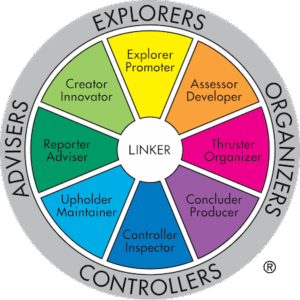
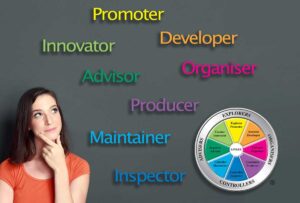 The use of the Team Management Profile greatly affected the success of the workshop. All members of the team had received their personal report before the workshop, providing an opportunity to reflect on its meaning for them. The use of this powerful psychometric tool provided positive, concrete language to underpin those conversations.
The Team Management Profile provided everyone with an understanding of:
- How you prefer to relate to others
- How you prefer to gather and use information
- How you prefer to make decisions
- How you prefer to organise yourself and others
- A correlation with key types of work which contribute to team success
- How best to communicate and support others
The key take-aways from the workshop
The team development workshop enabled all to understand the need for diversity within the team. It provided the environment for positivity, a collective feeling that all could play a vital part in the team’s success.
The workshop also provided the requirement and the urgency for the sharing. The change of leader had resulted in much uncertainty, and all felt it was crucial to have these open conversations as soon as possible.
It also provided the opportunity for the right people to come together. A time away from busy work schedules to truly focus on the team direction and success.
Next steps to build a positive culture
The team anticipates that this sharing will be undertaken by all the managers at a future workshop. There will be similar exercises whereby all take turns to disclose, share, be questioned, appreciated and receive feedback from peers. Equally, the team intends to encourage the openness demonstrated at every opportunity in the workplace.
 It is always a privilege to be a small part of such a process, supporting the development of an open and supportive culture and ultimately the long-term success of the team.
How does this apply to you?
Do get in touch for a conversation if you are interested in having a member of the Coach Mentoring Ltd. team support your team development.